

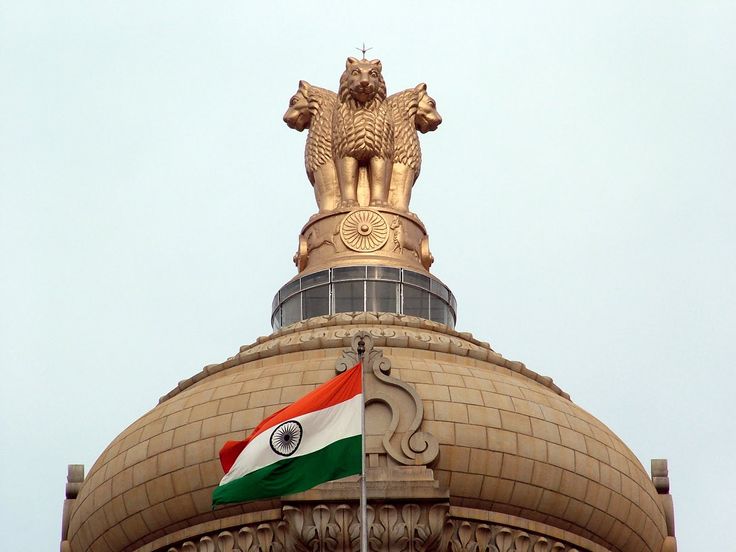
- A Century-Old Framework Reimagined A century-old law that governed the admissibility of Bankers’ Books Evidence was replaced with a new Bill in 2026.
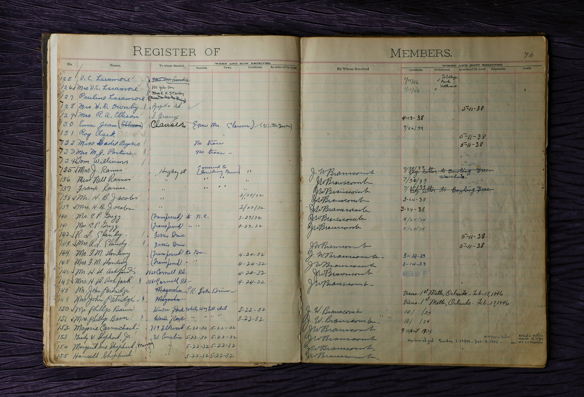
- Back in 1891, when the Bankers’ Books Evidence Act was passed, bankers used to keep records of all transactions in paper books.
- But today, when most of the transactions are computerized and stored in servers away from the prying eyes of customers, the old law simply didn’t suffice.
- Under the old law, a bank officer had to present a certified copy of the page with the disputed transaction(s) and sign it before submitting it to the court.
- However, the new 2026 Bill allows the courts to consider all manner of virtual, digital, virtual, and cloud copies under the broad umbrella of “copy”, and it simplifies the dispute resolution procedure.
A Century-Old Framework Reimagined
A century-old law that governed the admissibility of Bankers’ Books Evidence was replaced with a new Bill in 2026. Back in 1891, when the Bankers’ Books Evidence Act was passed, bankers used to keep records of all transactions in paper books. But today, when most of the transactions are computerized and stored in servers away from the prying eyes of customers, the old law simply didn’t suffice.
Under the old law, a bank officer had to present a certified copy of the page with the disputed transaction(s) and sign it before submitting it to the court. However, the new 2026 Bill allows the courts to consider all manner of virtual, digital, virtual, and cloud copies under the broad umbrella of “copy”, and it simplifies the dispute resolution procedure.
Digital Records Gain Legal Standing
The most important change is encapsulated in Section 6. It makes sure that the digital copy is a valid proof of transaction by saying that the “admissibility of an electronic or digital record as evidence in any judicial proceeding shall not be denied solely on the grounds that it is an electronic or digital record.
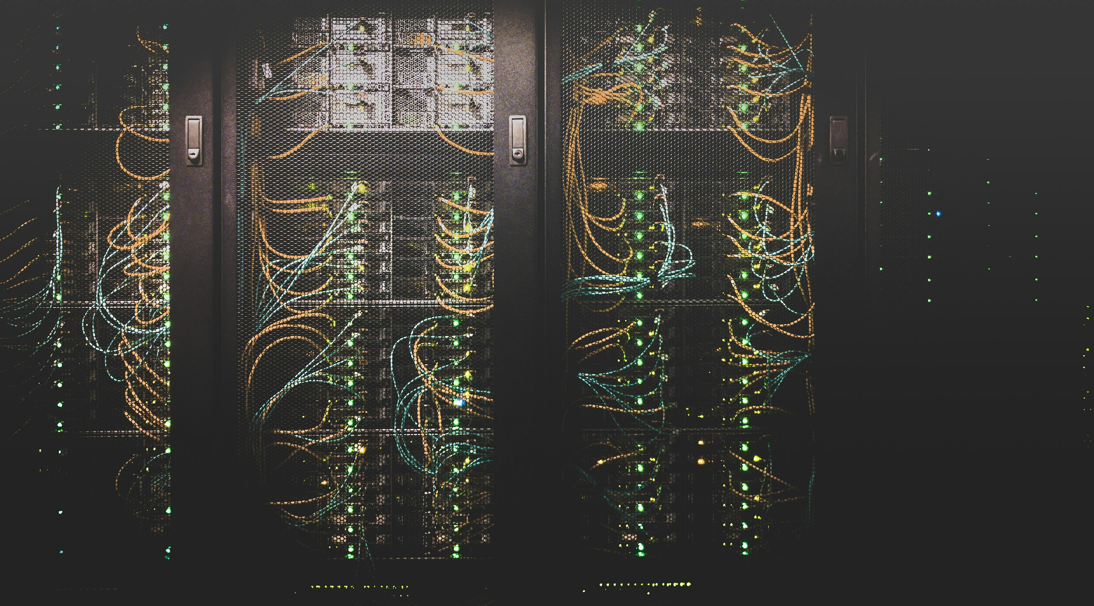
The next two sections put some much-needed teeth in this good intention. Section 7 says that to be admissible, a digital copy must come from a device that was regularly used by the bank as of the relevant date, and that this device must have been operating normally. It also says the content of the copy should accurately reflect the information input into the device and that proper security procedures must have been in place to prevent unauthorized alterations of records.
Safeguarding Authenticity and Protecting Officers
Finally, Section 5 specifies that to authenticate a copy of the records (whether digital or otherwise), a certificate must be attached to the disputed records. The certificate must state whether it was a copy (“true” or “exact”) or an original. In case of a digital copy, the certificate should indicate that the computer system produced the copy. An authorized officer of the bank must sign and date the certificate manually or electronically. These restrictions are necessitated by the very high probability of tampering and fraud with digital records.

It should also be noted that the Bankers’ Books Evidence Bill 2026 does not require the bank officers to show up in court at the first notice. Section 8 says that if a bank is not a party to the dispute, it may only be required to submit the relevant records if the court deems it necessary upon a “special cause” shown by the other party. A few examples of such “special cause” are given in sub-section (2): these include doubts about the accuracy of the record, interruption of the regular record-keeping procedures, and failure of the bank to comply with a court order to inspect the documents, among several others.
Expanding the Scope of Financial Proof
Finally, it should be noted that the 2026 Bill gives the Centre the option to apply the law to any entities in the financial supervisory domain, including not only the conventional banks and post office savings banks but also other financial companies like NBFCs and P2P payment aggregators like UPI.
The Bankers’ Books Evidence Bill, 2026 is truly a revolutionary piece of legislation that marks India out as a country that is unfazed by technologic change and ready to embrace the future.