

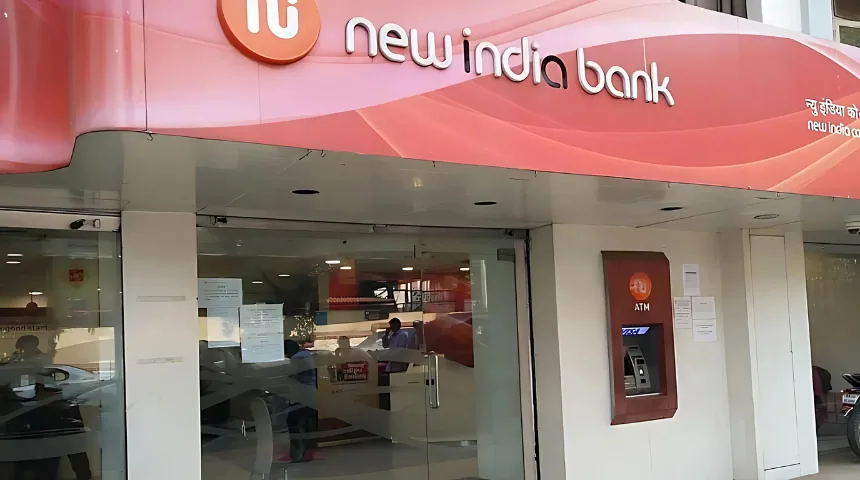
- The Reserve Bank of India is developing a plan that would allow depositors of the troubled New India Co-operative Bank to make special withdrawals for personal and medical emergencies, according to two sources familiar with the situation.
- The RBI, in collaboration with the bank’s administrator, will require depositors to provide proof of the emergency, one of the sources mentioned.
- This plan would enable them to withdraw funds up to the deposit insurance limit of 500,000 rupees ($5,761.43), the sources added, requesting anonymity as they are not authorized to speak to the media.
- Currently, deposits of up to 500,000 rupees are insured in the event of a bank failure and should be reimbursed within 90 days.
- The RBI did not immediately respond to an email seeking comment.
The Reserve Bank of India is developing a plan that would allow depositors of the troubled New India Co-operative Bank to make special withdrawals for personal and medical emergencies, according to two sources familiar with the situation.
The RBI, in collaboration with the bank’s administrator, will require depositors to provide proof of the emergency, one of the sources mentioned.
This plan would enable them to withdraw funds up to the deposit insurance limit of 500,000 rupees ($5,761.43), the sources added, requesting anonymity as they are not authorized to speak to the media.
Currently, deposits of up to 500,000 rupees are insured in the event of a bank failure and should be reimbursed within 90 days.
The RBI did not immediately respond to an email seeking comment.
New India Co-op has been facing losses for the past two fiscal years. It reported a loss of 227.8 million rupees for the 2024 financial year and a 307.5 million-rupee loss in fiscal 2023, according to its annual report.
As of March 31, 2024, the bank had outstanding deposits of 24.36 billion rupees and advances of 11.75 billion rupees.
Last week, the RBI prohibited the lender from issuing new loans, suspended deposit withdrawals for six months, and appointed an administrator, citing supervisory concerns and the bank’s current liquidity situation.
There is uncertainty about whether the bank will resume operations after the six-month period, both sources indicated.
In the past, the RBI has taken action against certain co-operative banks when management decisions were detrimental to depositors’ interests.
The Punjab and Maharashtra Co-operative Bank faced restrictions in 2019 after the RBI uncovered financial irregularities. It later merged with Unity Small Finance Bank in 2022.
Deposit insurance coverage in India was raised to 500,000 rupees in 2020, and another increase is under consideration, an official stated this week.
Over the weekend, depositors of New India Co-op gathered in Mumbai to explore legal options.
Uttam Agami, a 66-year-old retiree, has 1.1 million rupees in deposits with the bank and mentioned that the interest helps cover his medical bills and daily expenses.
“I am very worried about my medical expenses, especially since I had to have my leg amputated due to diabetes two years ago,” Agami shared.
While more than 90% of the bank’s depositors are fully protected by deposit insurance, the total number of depositors who are not insured remains significant, according to one source.