

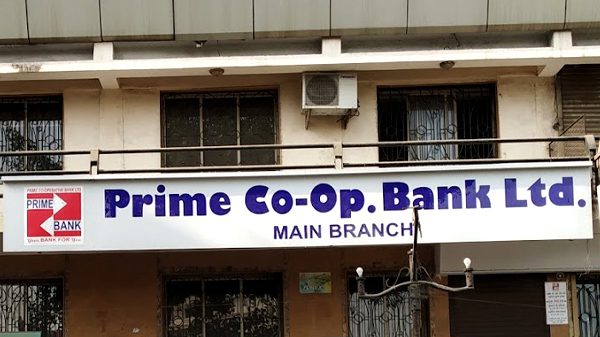
- just hit a major milestone that’s got Gujarat’s cooperative banking scene buzzing.
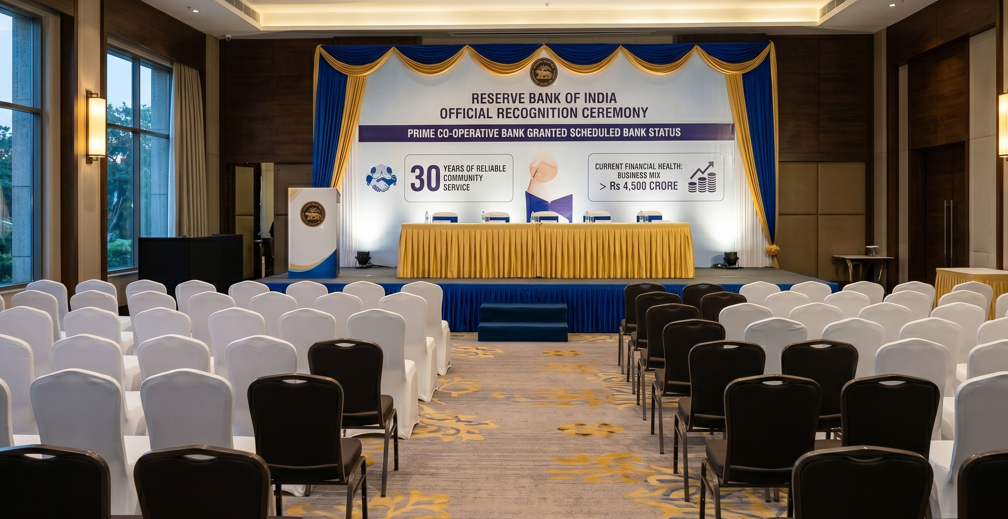
- In May 2026, the Reserve Bank of India gave Prime the coveted “Scheduled Bank” status.
- Making it onto the Second Schedule of the RBI Act, 1934 isn’t just a badge it’s a total game-changer.
- Across the Indian banking sector, this is huge.
- It proves urban cooperative banks aren’t just holding on; they’re getting stronger, more stable, and better managed.
Prime Co-operative Bank Ltd. just hit a major milestone that’s got Gujarat’s cooperative banking scene buzzing. In May 2026, the Reserve Bank of India gave Prime the coveted “Scheduled Bank” status. Making it onto the Second Schedule of the RBI Act, 1934 isn’t just a badge it’s a total game-changer.
Across the Indian banking sector, this is huge. It proves urban cooperative banks aren’t just holding on; they’re getting stronger, more stable, and better managed. Sure, Varachha Co-operative Bank, Contai Co-operative Bank, and Shri Veershaiv Co-operative Bank grabbed the same recognition, but it’s Prime everyone talks about. Mostly because it’s woven so deeply into Surat’s fabric.
Prime’s Roots in Surat
Prime Co-operative Bank didn’t start as another big corporate player. It’s been part of Surat for over thirty years, supporting small businesses, family stores, and regular people searching for a safe spot for their money. Cooperative banks have been core to Surat’s growth, and Prime grew into a real anchor for the city. But being an urban cooperative bank isn’t some smooth ride. The rules are strict, and you’re always steering through tough economic weather.
Look at late 2024, for example. When the RBI slapped Prime with a penalty for falling short on cybersecurity and customer protection, the management didn’t freeze up or make excuses. They took it personally, fixed the problems, and turned it around. Achieving Scheduled Bank status wasn’t just ticking boxes for the RBI the standards are tough, and very few urban cooperative banks get this nod. Prime worked hard, showed real compliance, transparency, and strength, and the RBI took notice.
The Numbers and What Comes Next
By March 31, 2026, Prime’s business mix deposits plus loans topped Rs 4,500 crore. That’s no small feat. Thousands trust Prime with their savings, and local businesses depend on their lending. This kind of progress isn’t luck. It means people have confidence in the bank, and Prime knows how to manage its funds and still follow the rules.
With Scheduled Bank status, Prime’s credibility jumps. Customers see the RBI officially recognizes it as stable and trustworthy. The bank gets direct access to RBI services: emergency funding, loans at the bank rate, and a spot at the clearings table making their finances even stronger. This fits right into the big cooperative banking reforms the Union Ministry of Cooperation kicked off. The whole system is changing, and Prime is at the heart of it.

In the end
Prime Co-operative Bank earned this moment. Thirty years of consistent effort brought them here, and Rs 4,500 crore tells a story of trust and steady growth. Now Prime can chase bigger opportunities and help solidify Gujarat’s cooperative banking reputation. For loyal customers, this means better service and a bank truly committed to protecting their futures.