

- The Reserve Bank of India just pulled the plug on Shree Mahalaxmi Urban Co-operative Credit Bank Ltd., a Gokak-based bank in Karnataka.
- This isn’t just a routine closure—the RBI meant business.
- They want to clean up the co-operative banking sector and protect regular depositors from poor management.
- The bank had been limping along for a while, stuck under RBI’s restrictions and unable to get back on its feet.
- The RBI eventually decided the bank just didn’t have enough capital or the ability to make enough money to survive.
The Reserve Bank of India just pulled the plug on Shree Mahalaxmi Urban Co-operative Credit Bank Ltd., a Gokak-based bank in Karnataka. This isn’t just a routine closure—the RBI meant business. They want to clean up the co-operative banking sector and protect regular depositors from poor management.
So, what went wrong? The bank had been limping along for a while, stuck under RBI’s restrictions and unable to get back on its feet. The RBI eventually decided the bank just didn’t have enough capital or the ability to make enough money to survive. It broke some big rules under the Banking Regulation Act, 1949.
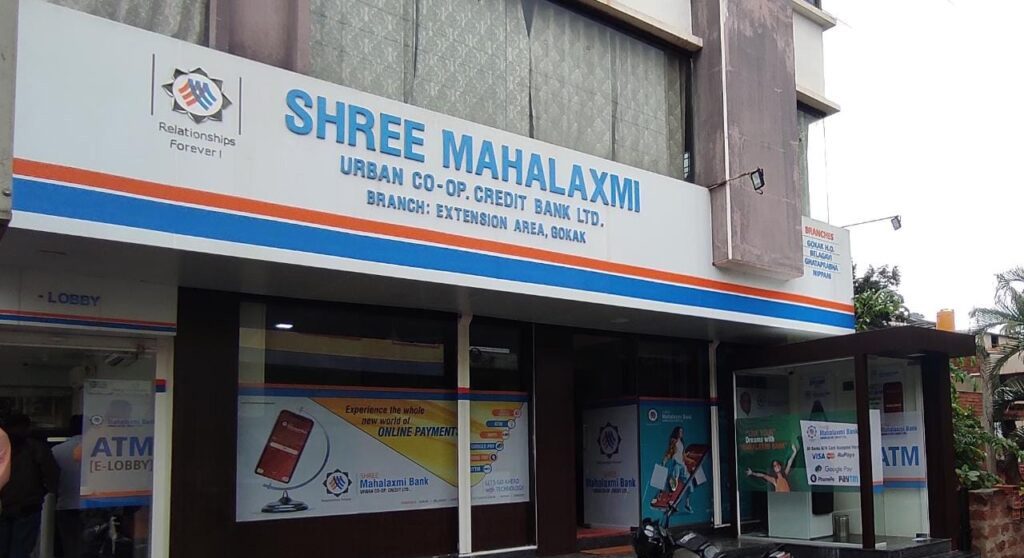
Here’s the real problem: Shree Mahalaxmi couldn’t promise to pay back all its depositors anymore. Letting it keep going would’ve put a lot of people’s money at risk. So, the RBI stepped in and told Karnataka’s Registrar of Co-operative Societies to appoint a liquidator and shut things down for good.
Whenever a local bank shuts its doors, people start worrying about losing their savings. But India has a backup plan. Every depositor gets insurance up to ₹5,00,000, thanks to the Deposit Insurance and Credit Guarantee Corporation (DICGC). For most folks at Shree Mahalaxmi, that’s a lifesaver—about 97.9% of depositors actually fall within this insured amount. So yes, nearly all customers get their full money back. The DICGC has already handed out ₹88.21 crore to eligible people, making sure most families don’t lose their nest egg.

This isn’t just about one bank, either. The RBI’s action sends a blunt warning to other urban co-operative banks: follow the rules, keep your finances strong, or face the consequences. Co-operative banks are important for local credit, but too many of them stumble over bad loans and shaky management. By closing banks that aren’t up to the mark, the RBI helps keep the whole financial system safe. In the end, strict oversight and that deposit insurance together help keep public trust alive—no matter how rocky things get.