

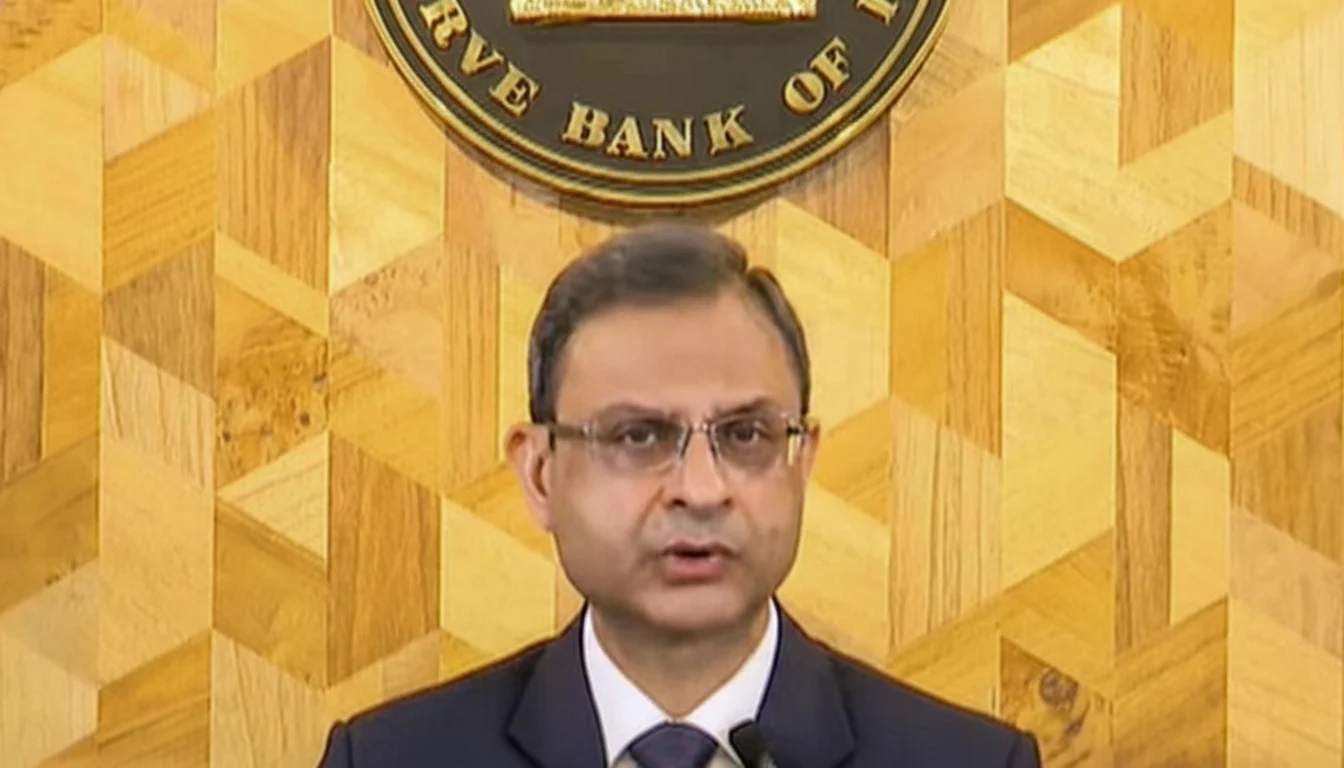
- In a bid to strengthen its ties with regulated entities, the Governor of the Reserve Bank of India, Sanjay Malhotra, convened a high-level meeting on Monday in Mumbai.
- This gathering brought together the Chairpersons and Managing Directors & Chief Executive Officers of select Urban Cooperative Banks (UCBs).
- The last such meeting took place on March 19, 2025.
- Murmu were also present, along with other senior officials from the Reserve Bank of India.
- Among the notable UCBs represented were Saraswat Bank (Chairman: Gautam Thakur), SVC Bank (Chairman: Durgesh Chandavarkar; CEO: Ravinder Singh), TJSB Bank (Chairman: Sharad Gangal), Cosmos Cooperative Bank (Chairman: Adv.
In a bid to strengthen its ties with regulated entities, the Governor of the Reserve Bank of India, Sanjay Malhotra, convened a high-level meeting on Monday in Mumbai. This gathering brought together the Chairpersons and Managing Directors & Chief Executive Officers of select Urban Cooperative Banks (UCBs). The last such meeting took place on March 19, 2025.
Deputy Governors Swaminathan J. and S. C. Murmu were also present, along with other senior officials from the Reserve Bank of India.
Among the notable UCBs represented were Saraswat Bank (Chairman: Gautam Thakur), SVC Bank (Chairman: Durgesh Chandavarkar; CEO: Ravinder Singh), TJSB Bank (Chairman: Sharad Gangal), Cosmos Cooperative Bank (Chairman: Adv. Pralhad Kokare), Janata Sahakari Bank, Pune (Chairman: Ravindra Hejib; CEO: Jagdish Kashyap), and Bharat Co-operative Bank (Chairman: Suryakant Jaya Suvarna; CEO: Vidyanand Karkera), to name a few. In total, around 45 senior stakeholders from Maharashtra, Kerala, Goa, and Rajasthan took part in the discussions.
Industry representatives were also in attendance, including NAFCUB Vice-Chairman Milind Kale and NUCFDC President Jyotindra Mehta, along with CEO Prabhat Chaturvedi. The meeting spanned nearly two hours and involved in-depth discussions on various sectoral challenges.
During his address, the RBI Governor emphasized the ongoing importance of UCBs in providing credit, especially in underserved and semi-urban regions, and their crucial role in promoting financial inclusion. He mentioned several policy initiatives the Reserve Bank has implemented for the cooperative banking sector since their last meeting and expressed optimism that these efforts would enable UCBs to thrive in a more robust, healthier, and sustainable way.
The Governor highlighted how crucial it is to uphold high standards in governance, maintain strong underwriting practices, and ensure strict oversight of asset quality. He also stressed the importance of adopting a customer-focused approach, practicing ethical behavior, and providing timely solutions to grievances in order to build and reinforce public trust in cooperative banks.
During the interactive session, industry representatives provided their insights on various policy and operational challenges. While they acknowledged that Urban Cooperative Banks (UCBs) are generally performing well, they pointed out that profitability is an area that still needs improvement.
In a conversation with Indian Cooperative, one participant mentioned that concerns regarding the proposed ten-year tenure for directors, the recent gazette notification about ineligible directors, and other urgent issues were brought up during the meeting. The Reserve Bank took note of the feedback but didn’t provide any immediate responses.
Participants also suggested introducing special shares without voting rights for cooperative banks to enhance their capital base while preserving their cooperative nature.
There was a strong emphasis on building capacity, implementing structured training programs, and fostering leadership development within UCBs. The discussion also touched on priority sector lending, especially to underprivileged groups, and the need for clearer guidelines through regulatory circulars.
Several minor operational matters were discussed during the meeting, showcasing the regulator’s proactive and consultative approach with the sector. Leaders also raised concerns about the two types of membership in cooperative banks and recommended reviewing the limits for small-value loans, including those for home repairs. Additionally, they proposed extending the housing loan tenure beyond the current 20-year limit to better meet customer needs.
The meeting really highlighted the Reserve Bank of India’s dedication to collaborating with the UCB sector. They’re focused on fostering better governance, boosting transparency, and ensuring long-term stability, all while making sure that cooperative banks remain essential grassroots financial institutions.