

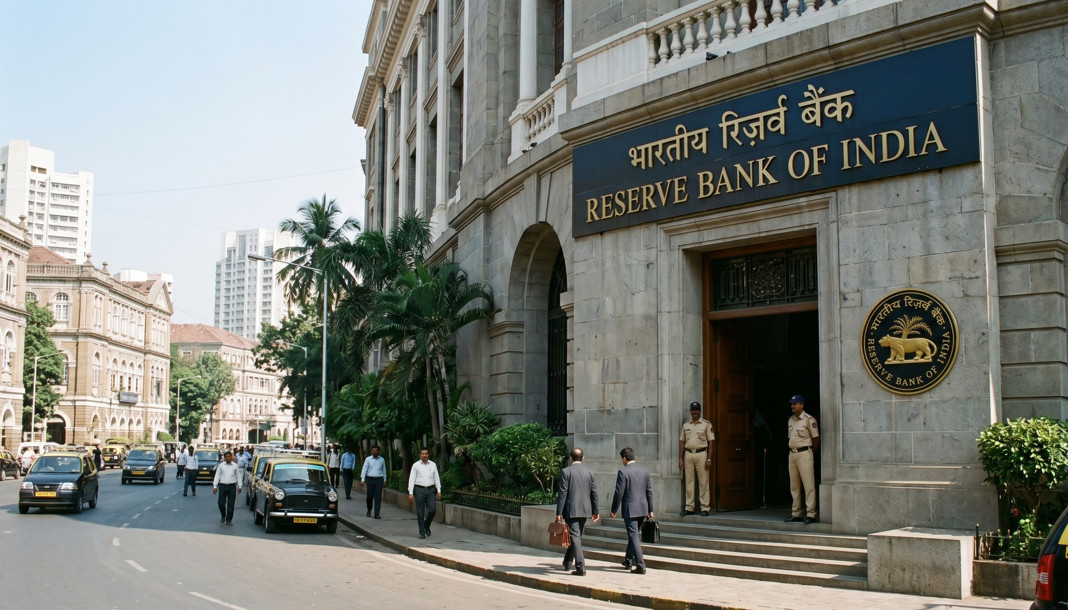
- The RBI’s Tough Call: Cancellation of Sarvodaya Co-operative Bank’s Licence In recent days, a significant development have taken place in the Indian banking sector.
- The Reserve Bank of India (RBI) has officially canceled the licence of Sarvodaya Co-operative Bank.
- This regulatory action, which became effective on May 12, 2026, has naturally raised a lot of concerns among the common depositors who rely on cooperative banks for their daily financial needs.
- While it might sound like an harsh measure at first glance, it is a essential step taken to protect the broader public interest.
- Cooperative banks have always hold a special place in the country’s financial ecosystem.
A big thing happened a few days back in the Indian banking system. Reserve Bank of India cancelled the license of Sarvodaya cooperative bank. This event alarmed many people who used such banks for their daily financial needs. Seems like it is just another event, but it is a necessary step taken by RBI to protect the people.
Cooperative banks are mostly used by middle class families and small businessmen. Hence, when people found out that RBI has canceled the license of Sarvodaya co- bank, naturally, people started worrying about their hard earned money. RBI stated that main reason for cancellation of license was financial problems. The bank was not in a condition to operate in a safe manner. Unfortunately, Sarvodaya co- operative bank did not meet the requirements. Further, the bank was making no profit.
Banking Regulation Act:
The bank also failed to meet some conditions set by Banking Regulation Act. RBI stated that continuing the operations would surely impact the account holders.RBI further stated, “The bank cannot pay back all the money to its depositors.” Hence, the bank is no longer allowed to do any kind of banking transactions. That means, it cannot accept new deposits or give back existing deposits. The assets of the bank are taken care by liquidator who has to settle the financial matters.
What about the amount of money a person have invested?
This is where the Deposit Insurance and Credit Guarantee Corporation (DICGC) comes into the picture. Every person who has invested in the bank will get up to 5 lakh back. According to the banks’ data, the majority of account holders will get full sum. 98.36 per cent of account holders are expected to get their full money. This is indeed very good news for people with low balance accounts.DICGC has already paid 26.72 crore amount to account holders as of 31st March 2026.

This incident shows how strictly RBI must follow its regulations. Nobody wants a local bank to shut down, but the Reserve bank has to consider the health of the whole system. In the end, Sarvodaya Co-operative Bank was shut down because it was financially unsound. Thankfully, due to DICGC the amount lost is minimal and people are protected. The RBI and DICGC work together to safeguard the bank sector and its customers. It will be fair to state that RBI has been vigilant in its operations and DICGC has been quick in compensating. It is a great relief for the common man to see their money safe.